Tools for the workbench and the planning table
This corner of Sunlit Pane collects the small helpers we're building for stained glass: quick digital tools for planning a pattern, and a plain-language guide to the physical tools you'll want beside you once the glass is out.
Digital tools
Small browser-based helpers. More on the way.
The studio tools are for members
One membership opens all four studio tools: the Difficulty Scorer, Cutting Calculator, Cost Estimator, and Image Buddy.
Card required. Cancel any time before day 30 and you won't be charged.
The physical tools of stained glass
A friendly starter list, walked through in the order you'll actually use each tool: cutting, grinding, foiling, soldering, and finishing. Items marked Essential are hard to work around; the rest are nice-to-have and can wait until you know you love the craft.
We've left off drawing and pattern-making supplies on purpose: every Sunlit Pane kit already includes the printable pattern, numbered template, and colour legend, so you can skip straight to the glass.
Prices are rough retail ranges for hobby-grade tools, shown in USD and CAD (converted at about 1.40). Expect them to shift with brand, supplier, and shipping.
Wondering where to actually buy these? A few good starting points: specialty shops like Delphi Glass and Sunshine Glassworks carry nearly everything on this list; Amazon is handy for starter kits and basics; and if you'd rather see tools in person, a local stained glass studio or supplier is often the friendliest place to ask questions while you stock up. Sunlit Pane isn't affiliated with any of these: we just like them.
Glass cutting
Scoring the glass and breaking it cleanly along your pattern lines. This is where most beginners spend the first weekend just getting a feel for the material.
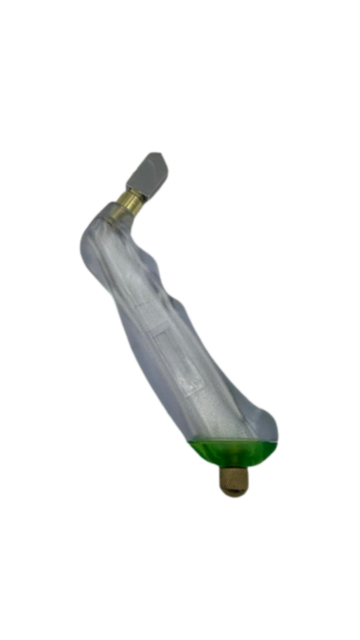 Glass cutterEssential
A small handheld tool with a tiny hardened wheel that scores the surface of the glass. Pistol-grip and pencil-grip are both common: pick whichever feels comfortable in your hand.
Typical price: $12–$30 USD · $17–$42 CAD
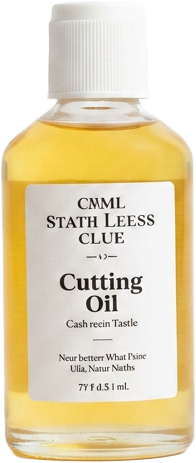 Cutting oilEssential
Lubricates the cutter wheel so your score line is clean and the glass breaks where you want it to. A little goes a long way.
Typical price: $8–$16 USD · $11–$22 CAD
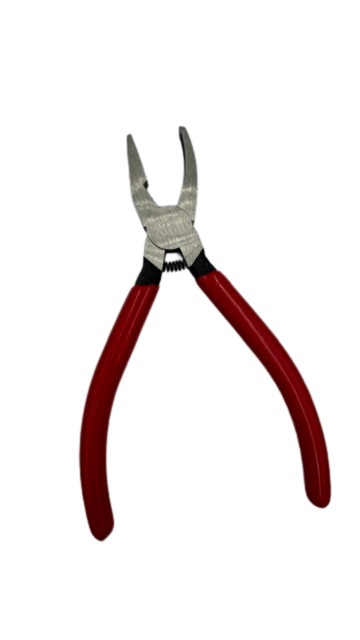 Running pliersEssential
Squeeze either side of the score to 'run' the break in a smooth, controlled line. Especially helpful for longer cuts.
Typical price: $12–$25 USD · $17–$35 CAD
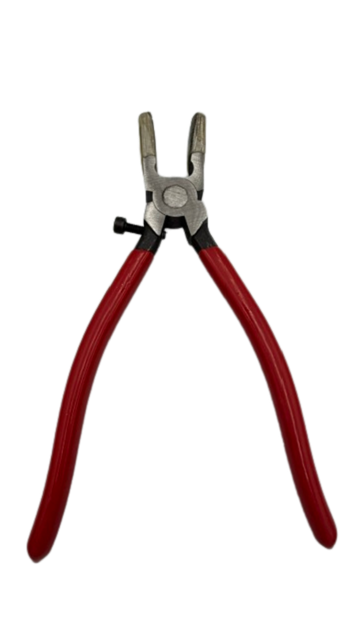 Grozing / breaking pliersEssential
Toothy little pliers for snapping off small pieces and nibbling stubborn bits off an edge when a curve didn't quite go where you wanted.
Typical price: $10–$22 USD · $14–$31 CAD
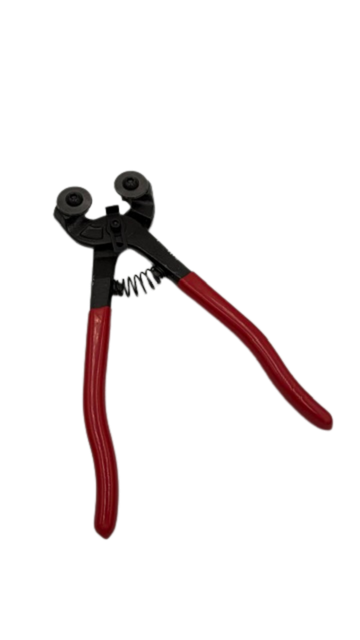 Wheeled nippersNice to have
Two hardened wheels that pinch straight through small pieces of glass. Handy for trimming little shapes and mosaic-style bits without scoring first.
Typical price: $12–$25 USD · $17–$35 CAD
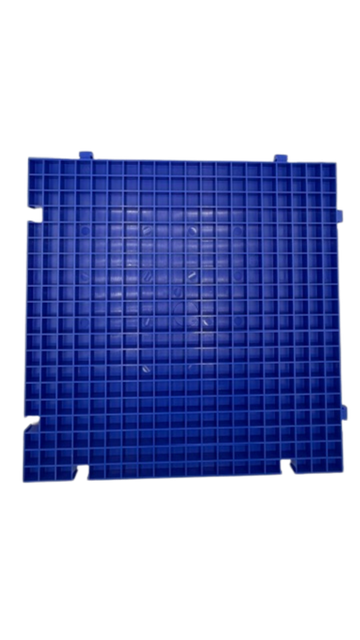 Waffle grid work surfaceNice to have
A soft plastic mat with a waffle pattern that catches glass shards as you cut. Optional, but keeps your workbench (and forearms) much tidier.
Typical price: $15–$35 USD · $21–$49 CAD
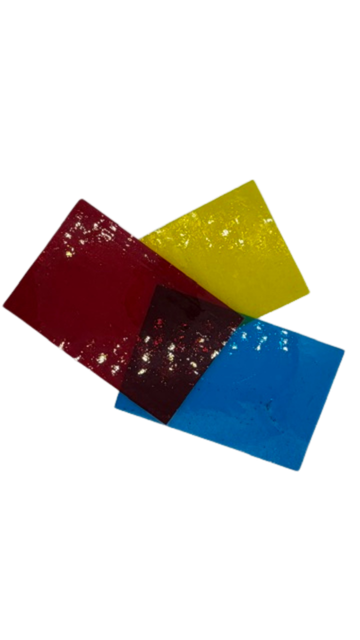 Sheet glassEssential
The material itself. Start with a few small sheets of cathedral (transparent) glass in colours you love: smooth, non-textured sheets are the easiest to score and break.
Typical price: $8–$25 USD · $11–$35 CAD
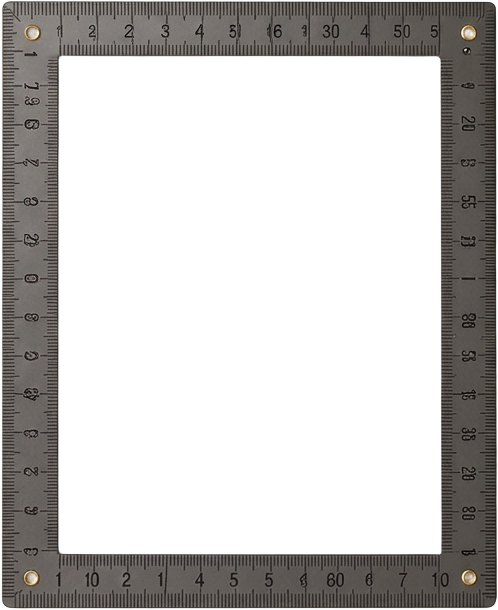 Ruler or framing squareNice to have
For measuring, straight scores, and checking that a square project actually is square.
Typical price: $8–$20 USD · $11–$28 CAD
Grinding
A small wet grinder gently sands each piece so it fits the pattern like a puzzle. Not strictly required if you're very patient with pliers: but it makes a huge difference.
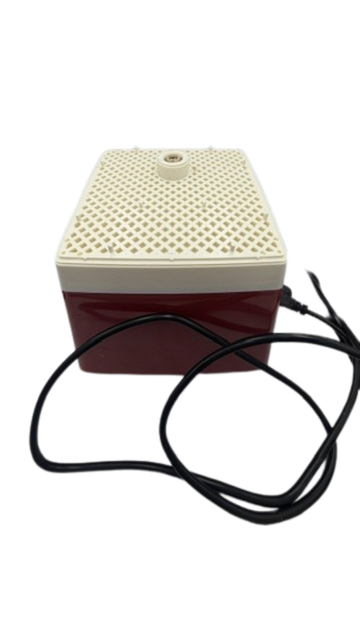 Glass grinderEssential
A small electric tool with a diamond-coated bit and a water reservoir. You press the cut edge against the bit to smooth and shape it.
Typical price: $120–$350 USD · $168–$490 CAD
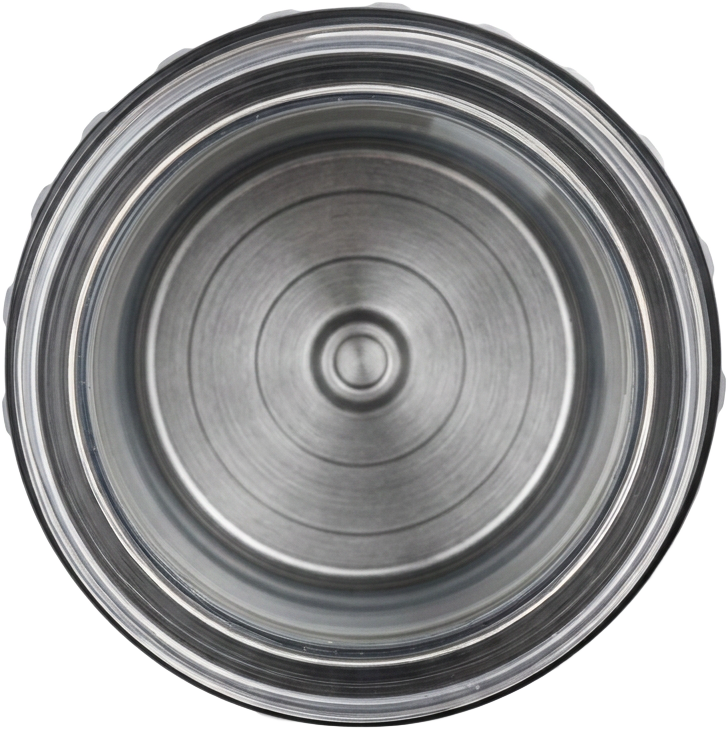 Grinder shieldNice to have
A clear plastic guard that clips onto the grinder to keep water and glass slurry from flicking up at you.
Typical price: $10–$25 USD · $14–$35 CAD
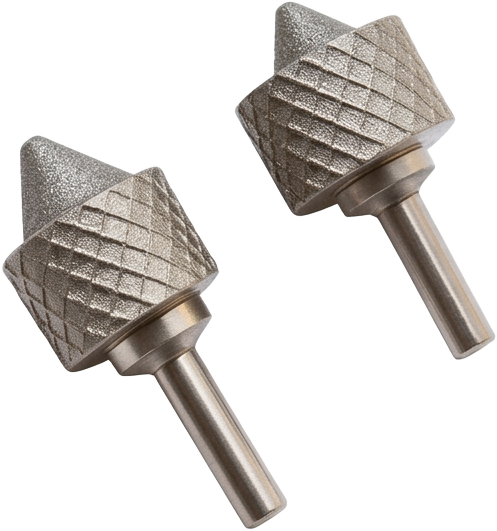 Spare grinder bitsNice to have
Bits wear down over time. A finer or smaller bit is handy for tight inside curves.
Typical price: $15–$40 USD · $21–$56 CAD
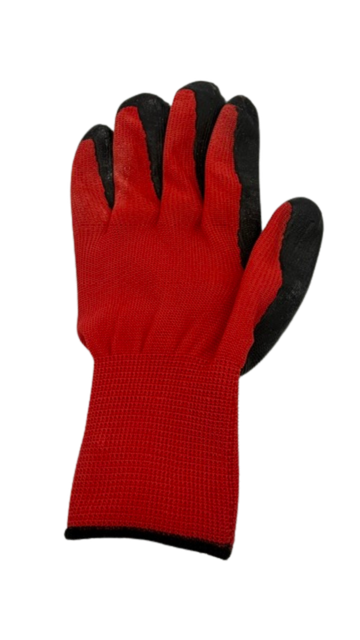 Grinding gloveNice to have
A grippy coated glove keeps your hand dry and steady at the grinder, and adds a layer between your fingers and freshly cut edges.
Typical price: $8–$18 USD · $11–$25 CAD
Foiling
Every piece of glass gets its edge wrapped in copper tape so the solder has something to grip. This is the quiet, meditative part of a project.
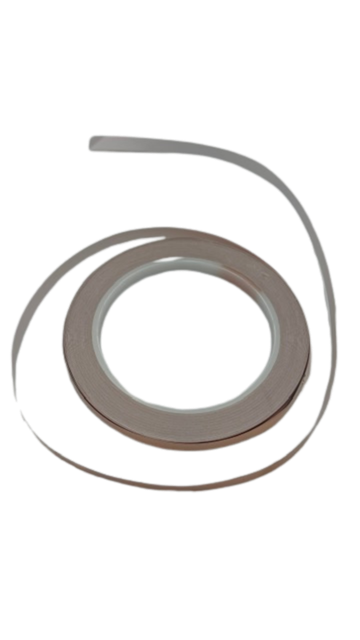 Copper foil tapeEssential
Adhesive copper tape, usually 7/32" wide for beginners. Comes with black, silver, or copper-coloured backing depending on the patina you plan to use.
Typical price: $8–$20 USD · $11–$28 CAD
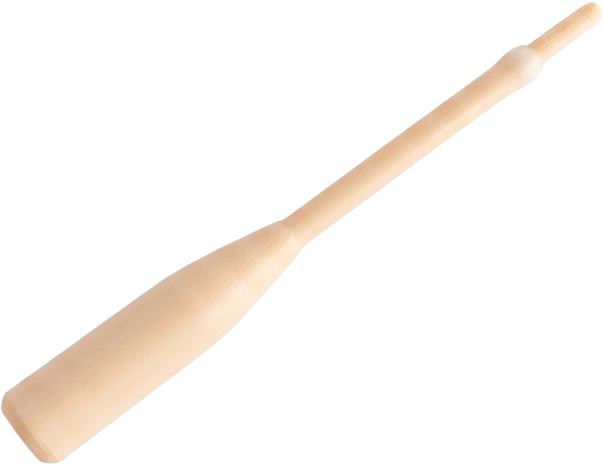 Fid / burnisherEssential
A small plastic stick used to press the foil down firmly against the glass so it doesn't lift when you solder.
Typical price: $3–$10 USD · $4–$14 CAD
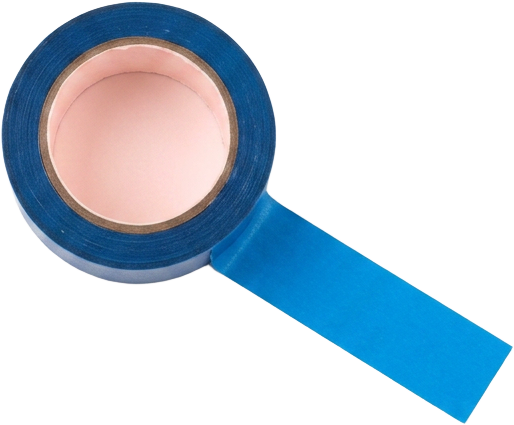 Painter's or masking tapeNice to have
Handy for holding foiled pieces together in the pattern while you tack-solder the seams.
Typical price: $4–$10 USD · $6–$14 CAD
 X-Acto knifeNice to have
For trimming stray bits of foil that overlap or bunch at corners.
Typical price: $5–$12 USD · $7–$17 CAD
Soldering
Melting solder along the foil seams to fuse the whole piece together. Take your time here: a good soldering iron and good flux make everything easier.
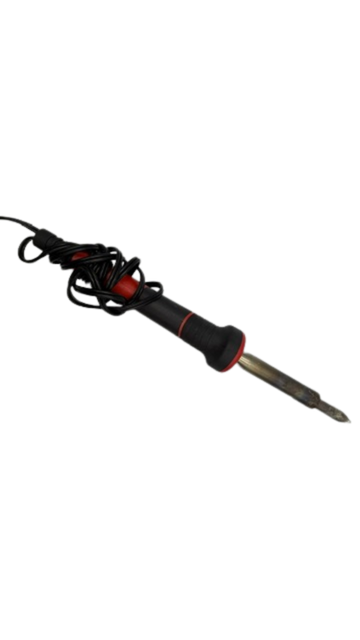 Soldering ironEssential
The one tool worth spending a little extra on. A temperature-controlled iron holds heat steadily so your solder lines flow smoothly instead of bubbling or pitting.
Typical price: $60–$180 USD · $84–$252 CAD
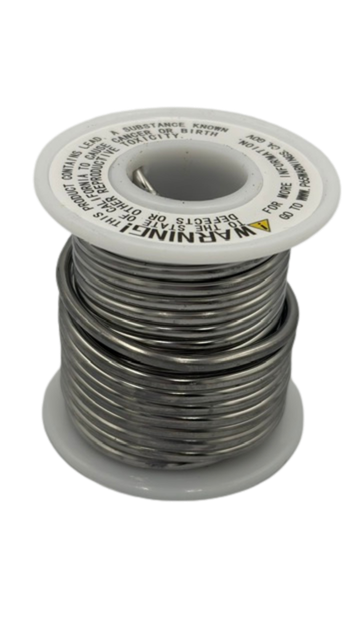 60/40 solderEssential
A spool of solid solder made specifically for stained glass. Lead-free versions exist but are trickier to work with and cost more.
Typical price: $20–$45 USD · $28–$63 CAD
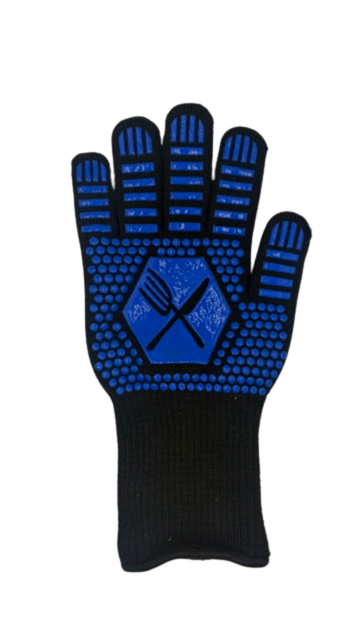 Heat-resistant gloveNice to have
A padded, grippy glove for the hand steadying your piece. It won't stop you being careful, but it takes the sting out of an accidental brush with hot solder.
Typical price: $10–$25 USD · $14–$35 CAD
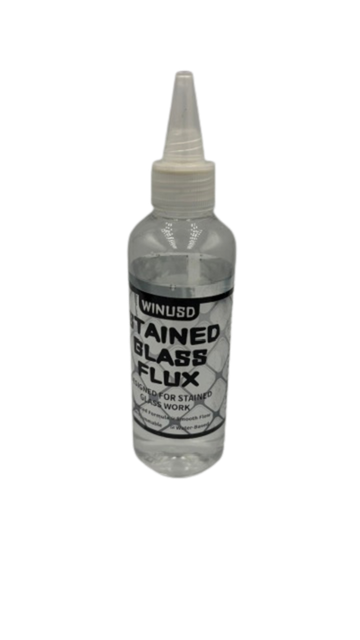 Flux & flux brushEssential
Flux is a liquid or gel painted onto the copper foil so the solder bonds properly. The brush is a small disposable one: don't reuse it for anything else.
Typical price: $8–$20 USD · $11–$28 CAD
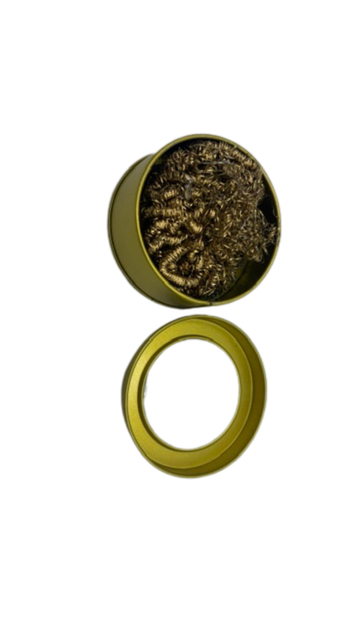 Tip cleaner (brass wool)Nice to have
A tin of brass wool for wiping the hot iron tip clean between passes. Kinder to the tip than a wet sponge and it keeps solder flowing smoothly.
Typical price: $5–$12 USD · $7–$17 CAD
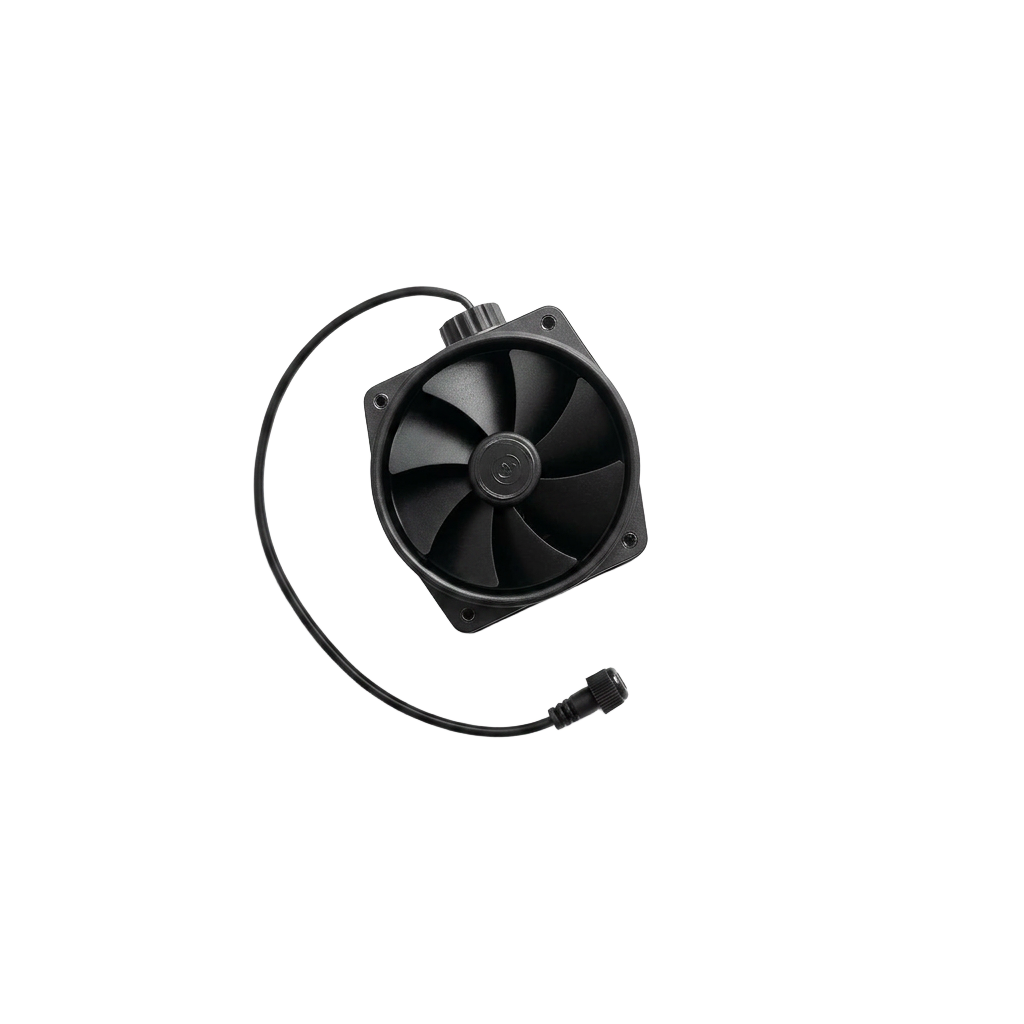 Fume extractorNice to have
A small fan with a carbon filter that pulls solder fumes away from your face. A well-ventilated room helps too.
Typical price: $40–$150 USD · $56–$210 CAD
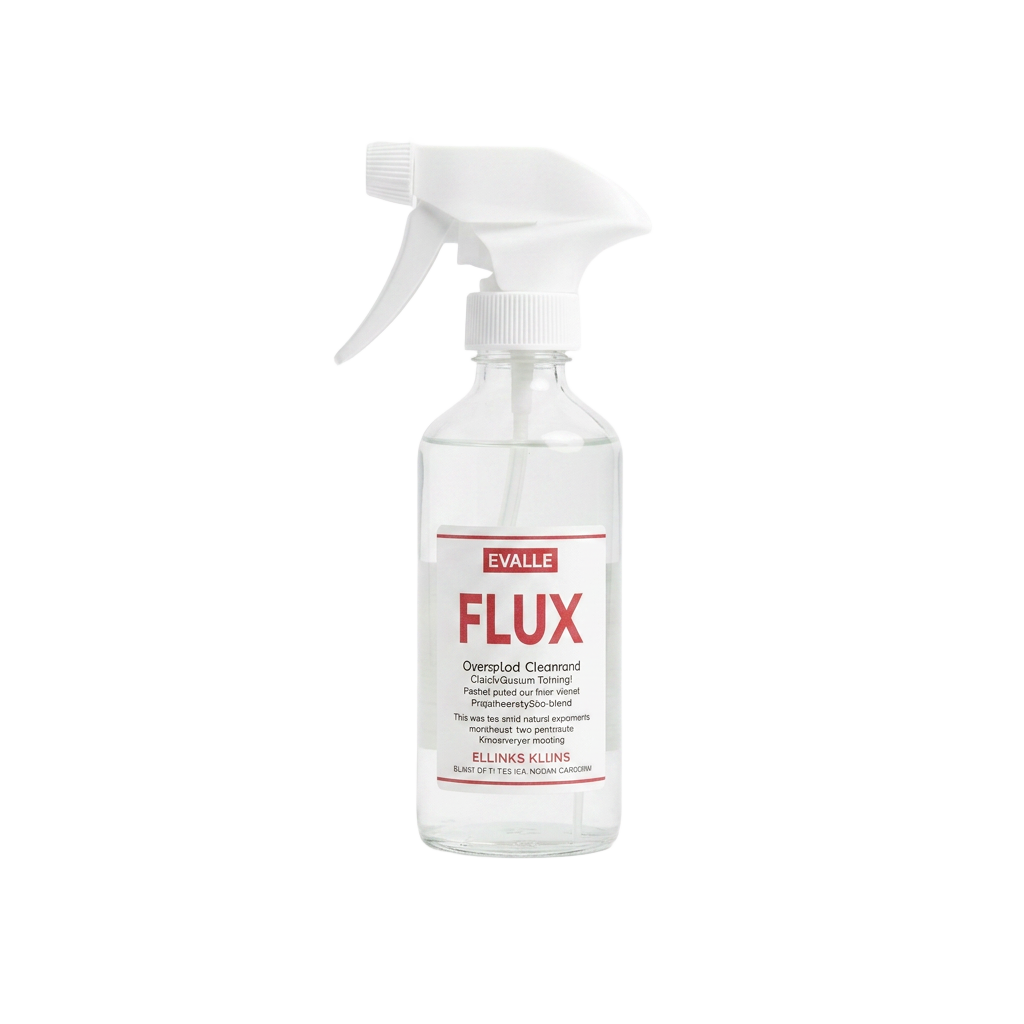 Flux cleanerNice to have
Once the soldering is done, you'll want to wash the flux residue off the finished piece. Windex followed by 90% isopropyl alcohol works too.
Typical price: $8–$18 USD · $11–$25 CAD
Finishing & safety
Protecting your project: and yourself. A few of these are optional, but the safety items are not.
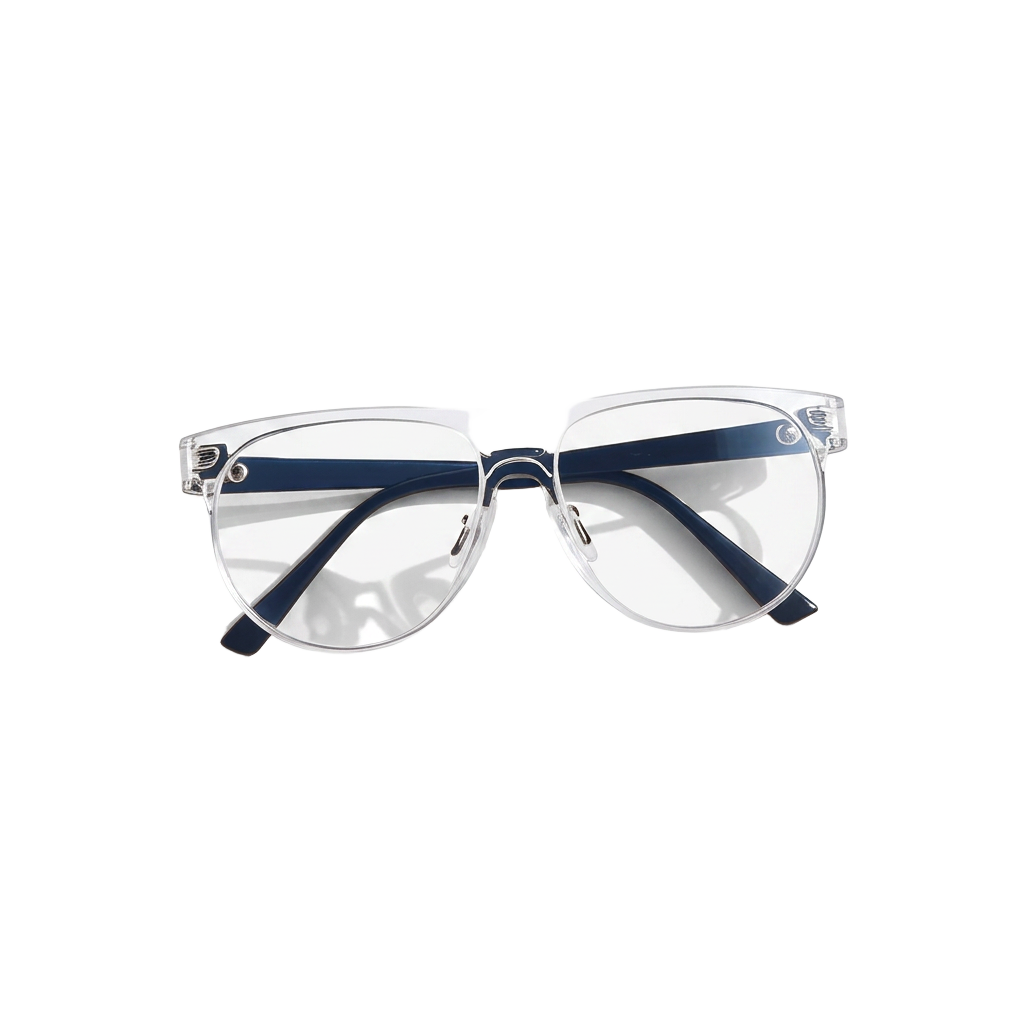 Safety glassesEssential
Wear them for cutting, grinding, and soldering. Glass shards and hot solder splatter are the two things you don't want anywhere near your eyes.
Typical price: $8–$20 USD · $11–$28 CAD
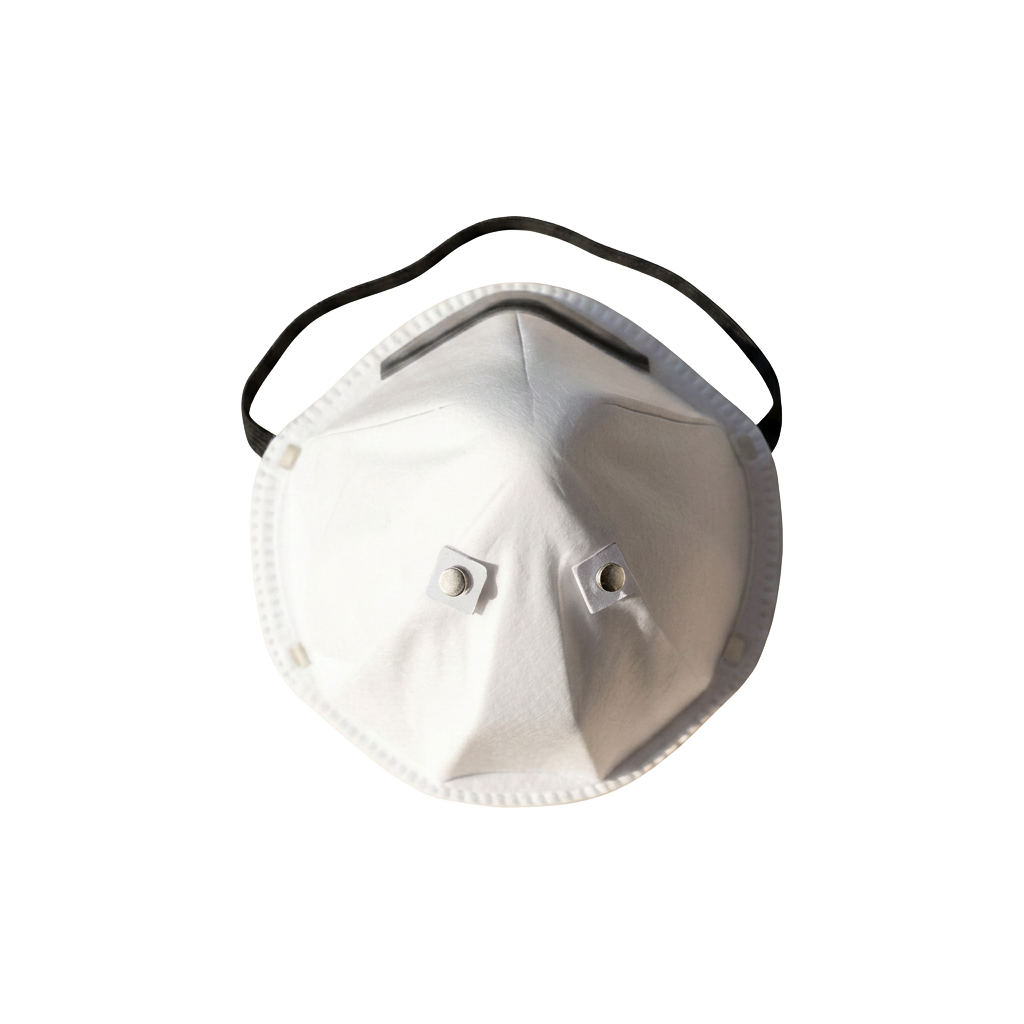 Dust / fume maskEssential
Protects you from glass dust while grinding and from lead and flux fumes while soldering.
Typical price: $10–$35 USD · $14–$49 CAD
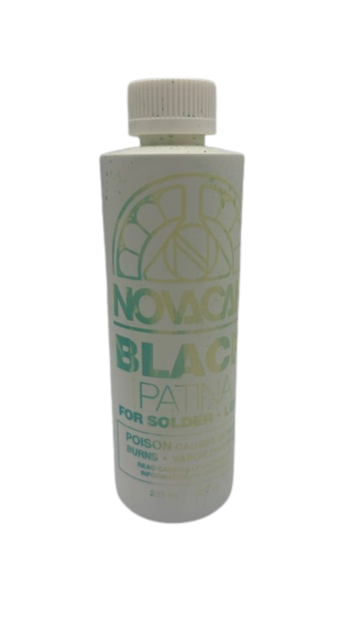 PatinaNice to have
A chemical wash that turns silvery solder lines black or copper. Optional, but changes the whole mood of a finished piece.
Typical price: $10–$20 USD · $14–$28 CAD
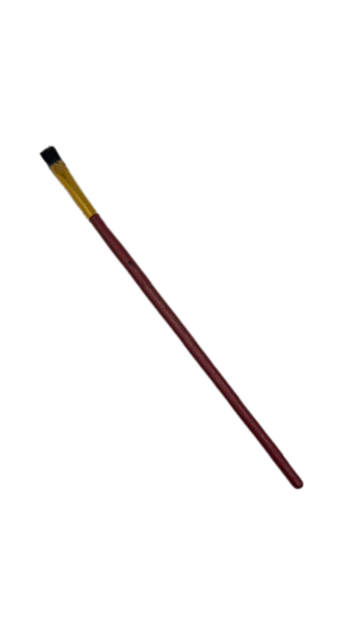 Applicator brushNice to have
A small stiff brush kept just for patina and finishing compound. Label it so it never wanders back into your paint supplies.
Typical price: $2–$8 USD · $3–$11 CAD
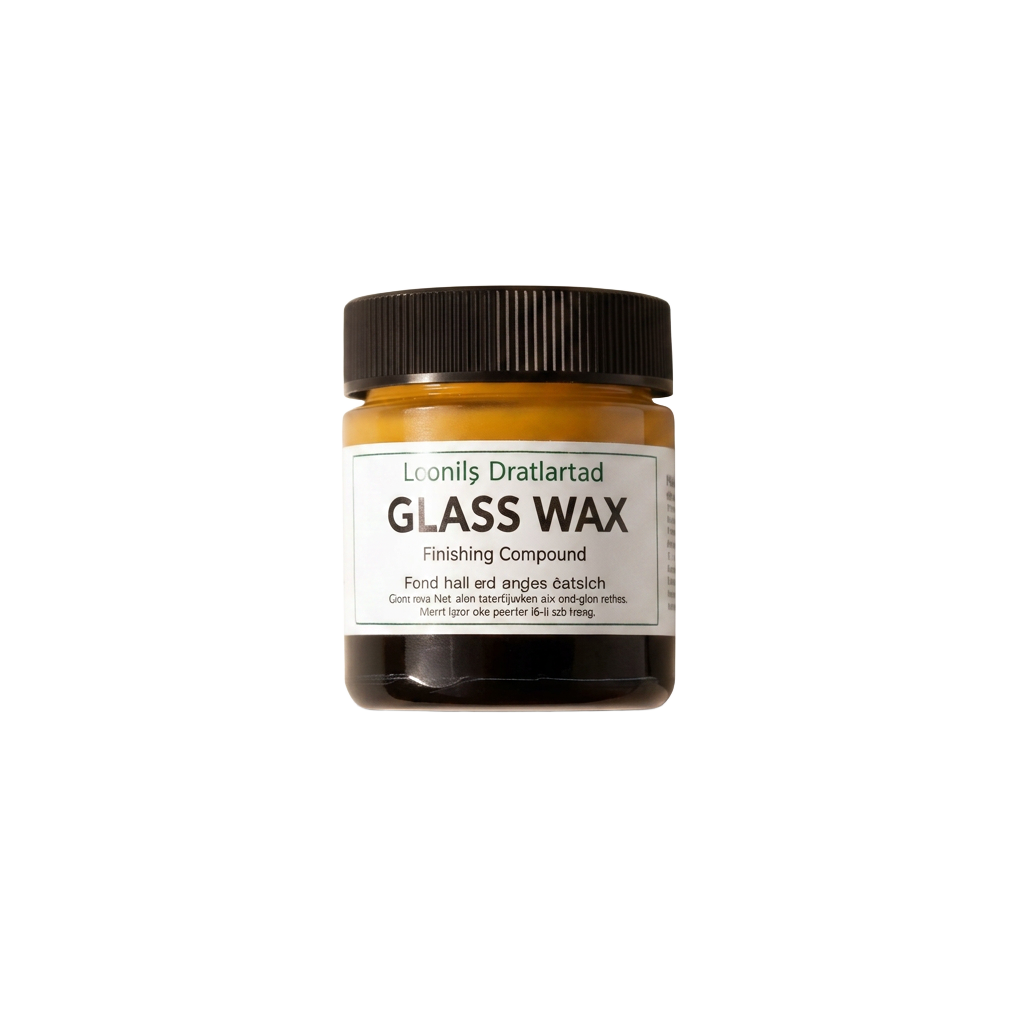 Glass wax or finishing compoundNice to have
A final polish that leaves the glass shining and helps seal the solder lines against tarnish.
Typical price: $10–$20 USD · $14–$28 CAD
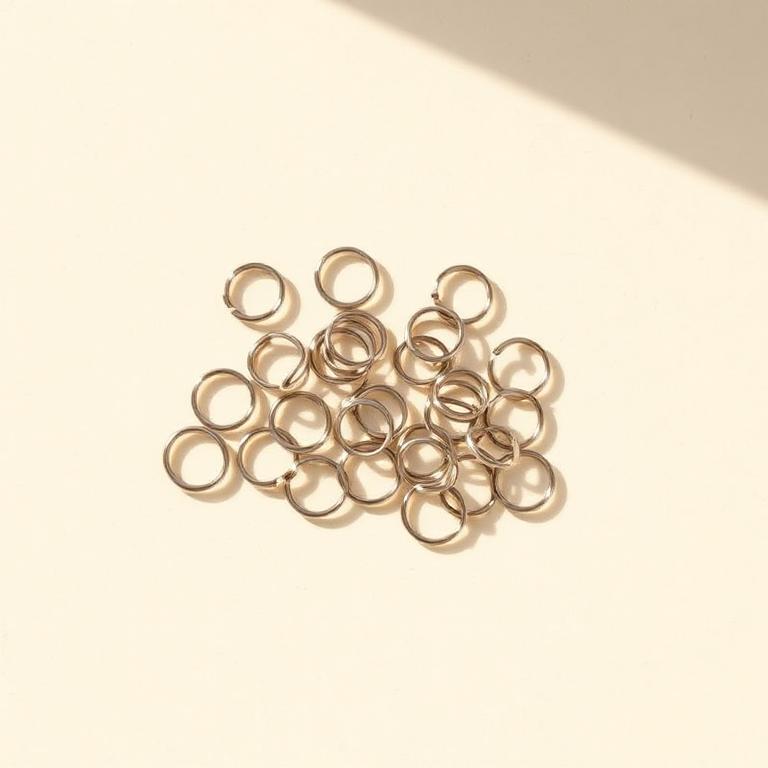 Jump rings or tinned wireNice to have
For adding a hanging loop so your finished suncatcher can go in a window.
Typical price: $5–$15 USD · $7–$21 CAD
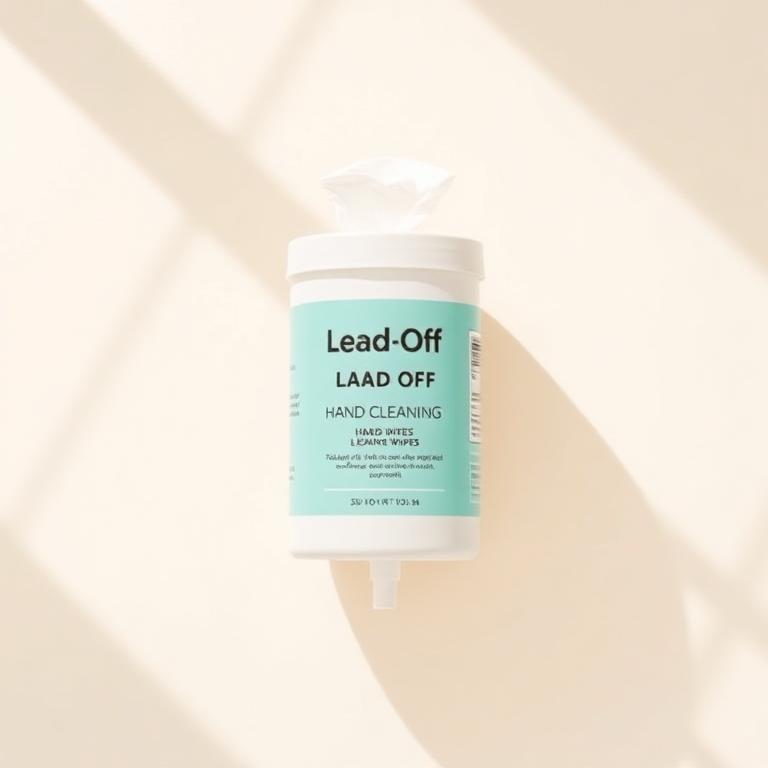 Lead-off wipes or soapNice to have
Wipes and specialty soap that lift lead residue off your hands after a soldering session: a good habit to build.
Typical price: $10–$20 USD · $14–$28 CAD